A Menu Design Guide for Restaurant Owners
2026. 1. 28.
Figma

Hyunyoung Kim
Founder of Sphere D, a design and strategy studio analyzing global tech trends and product positioning.
We are sharing insights discovered while working closely with a sushi restaurant owner, one of Sphere D’s clients, throughout their menu design process.
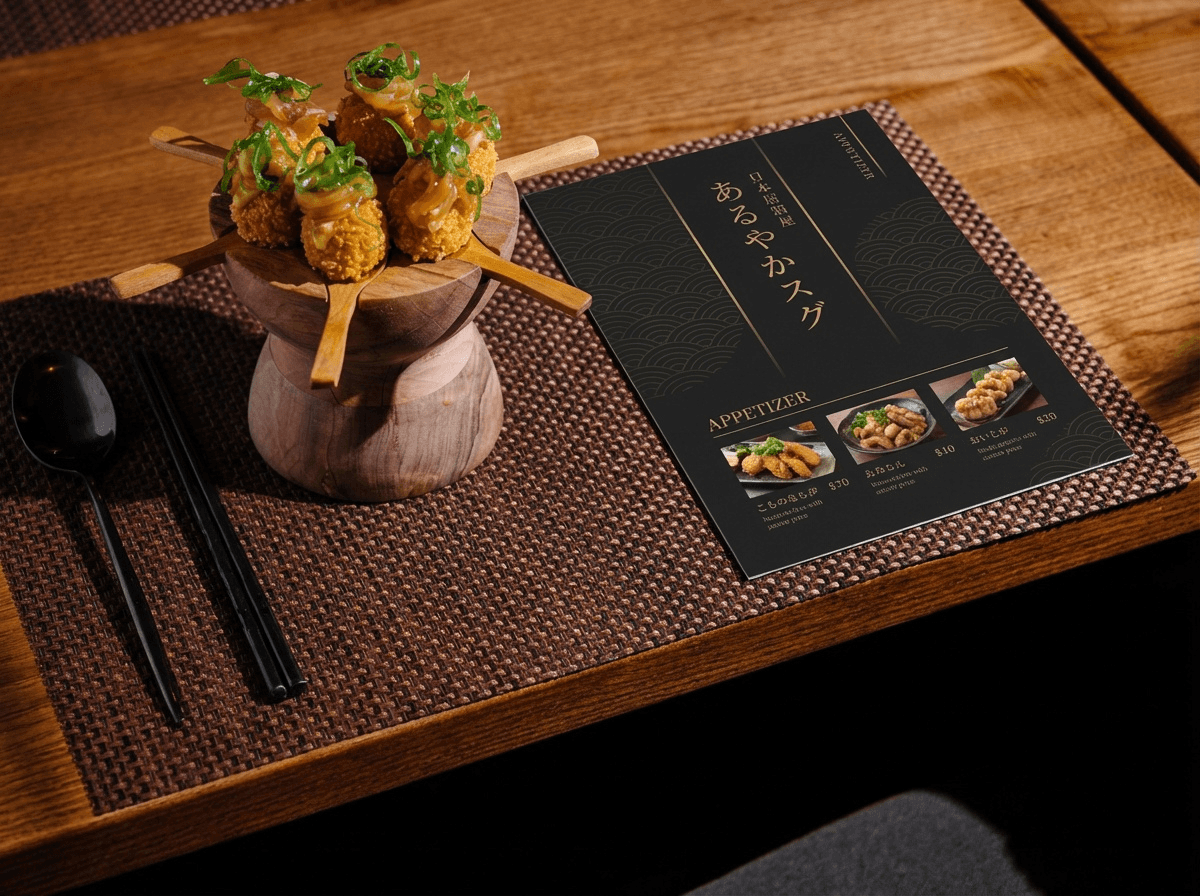
Why the Menu Matters More Than You Think
When visiting a restaurant for the first time, what do we look at first?
The answer is simple. Food photos and the menu.
When the visit involves a date or a business meeting, guests may also consider the overall atmosphere, the reputation of the chef, or parking and accessibility. However, in every situation, the menu remains the top priority.
According to consumer data from US Foods, approximately 83 percent of US customers review a restaurant’s menu before entering, and about half of them have already decided what to order in advance.
Despite how critical the menu is, strong menu design is most often seen in franchise environments where branding resources are well established. Independent restaurant owners, who manage and build their brands on their own, frequently overlook the menu even though it plays a central role in the customer experience.
One sushi restaurant owner we recently worked with shared that they had been using a self made PowerPoint menu for over three years. As their business matured, they wanted a properly designed printed menu as well as an online version that customers could easily access before visiting.
This is why we created this guide. Before starting any menu design project, here are a few important points restaurant owners should consider.
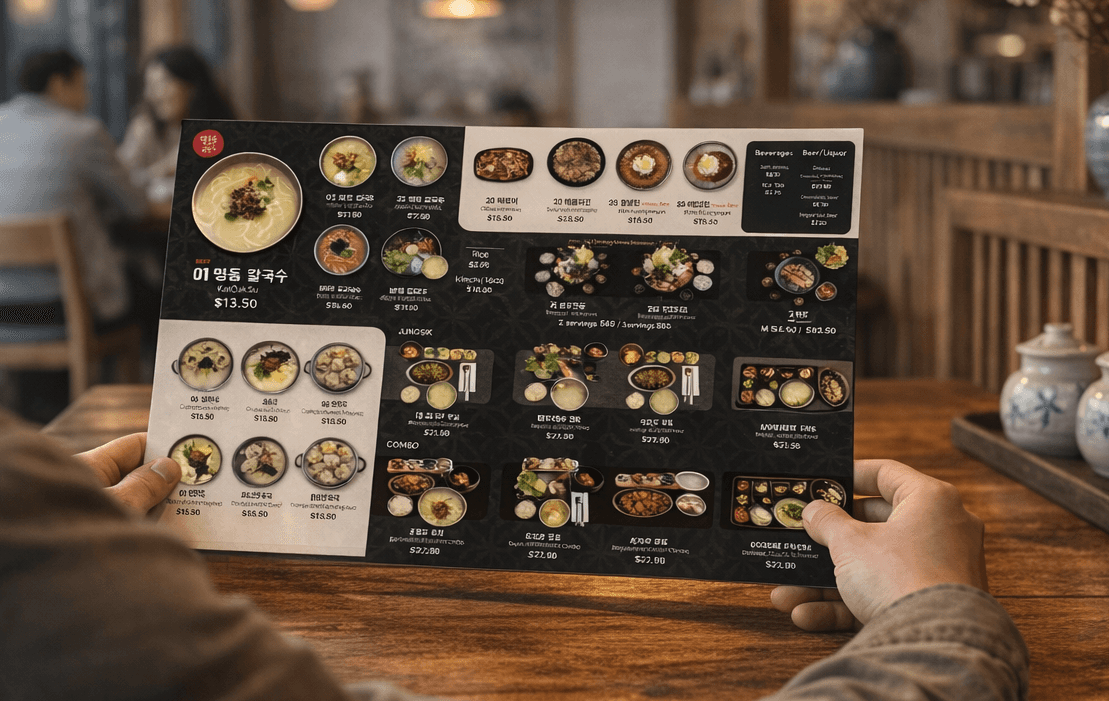
First. Decide on menus and pricing that will remain consistent for at least three months
When running a restaurant, it is natural to want to adjust the menu frequently. However, unless changes are driven by major factors such as seasonal offerings, price adjustments due to market conditions, or the removal of underperforming items, it is best to keep the menu as stable as possible.
Consistency builds trust with returning customers. When menu items or prices change every visit, guests may feel uncertain or confused. A stable menu also allows the design to remain consistent and ensures that online and offline menus deliver the same information.
Second. Align the menu design tone with your interior and brand atmosphere
If a calm and refined space is paired with an overly flashy menu, or if a highly expressive interior is paired with a generic menu, customers may feel discomfort even if they cannot clearly explain why.
The menu should naturally reflect the interior, lighting, table setting, and overall mood of the space. When the design tone flows seamlessly from the environment to the menu, the impression created by the space continues smoothly into the ordering experience.
Third. Choose the menu format based on your service system
A single large format menu can help reduce decision time. A premium bound menu can elevate a fine dining experience. A pamphlet style menu allows customers to take it with them.
Each format directly affects how guests experience your restaurant, how long ordering takes, and even the likelihood of repeat visits. The menu format should always be considered as part of the overall service flow.
Fourth. Begin production at least two weeks before the menu is needed
Menu creation involves more than just design. It includes organizing menu items, reviewing descriptions, revisions, and printing.
Because there are more steps than expected, starting early allows for better quality and smoother execution. For openings or renovations, beginning at least two weeks in advance is strongly recommended.
Fifth. Provide an online menu so customers can decide before they arrive
As mentioned earlier, many customers review the menu and make decisions before visiting. When pricing, menu structure, and signature items are available online, guests spend less time deciding in store and the ordering process becomes much smoother.
Menus accessed through QR codes are especially effective because they match customer behavior. Guests can view the menu before sitting down or even from home. When a printed menu, an online menu, and a QR connection are prepared together, customers perceive the restaurant as organized, thoughtful, and professional.
With just a bit more care put into a well organized menu, customers can choose more comfortably, and their overall impression of the restaurant naturally improves.
We hope this article serves as a helpful reference for restaurant owners who are preparing a menu or considering a redesign.
We also hope this guide supports the process of creating a menu that truly fits your restaurant and brand.
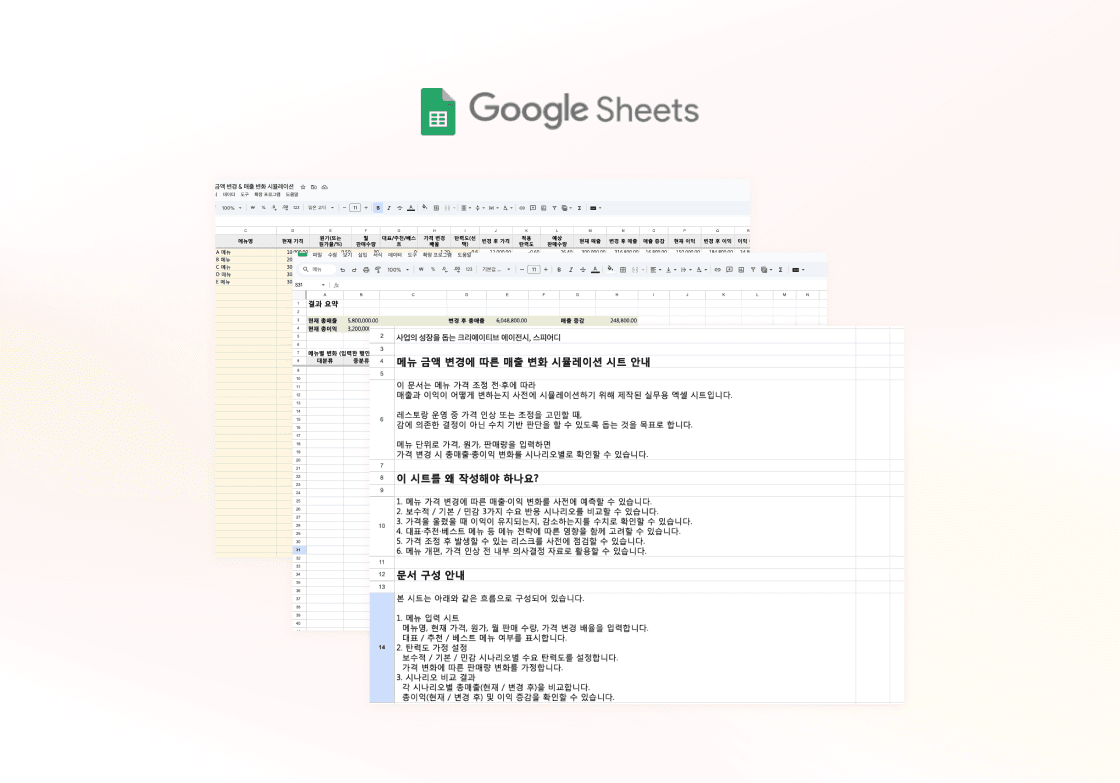
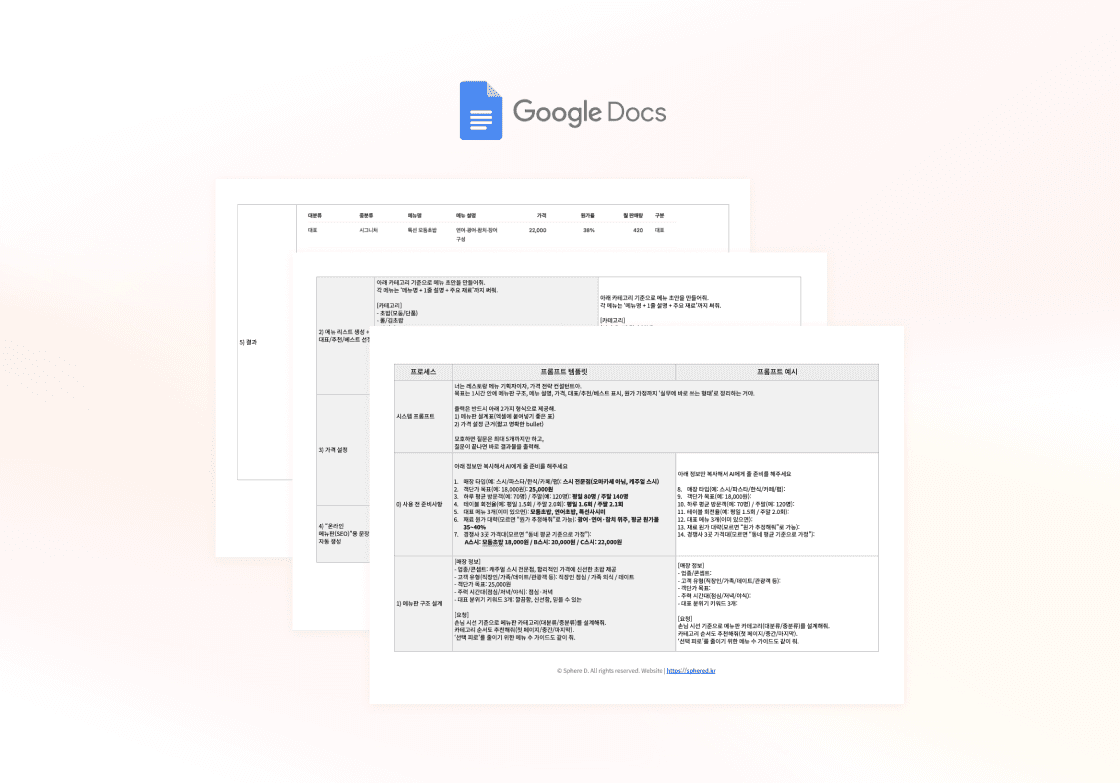
If you would like to explore our menu design approach in more detail, or learn more about the menu services we currently offer,
you are welcome to review the information at the link below.
Sphere D.
Contact.
contact@sphered.kr
+82 70-8098-0775
Location.
Seoul, Korea
Toronto, Canada
Services.
Works.
Copyright © 2025 Sphere D. All rights reserved.
Sphere D | CEO: Hyunyoung Kim | Business Registration No.: 330-33-01418
E-commerce Registration No.: 2025-Seoul Seocho-0075
Address: 11F, 17, Seocho-daero 77-gil, Seocho-gu, Seoul, Republic of Korea