[CES 2026] Tuya Smart – Powering the Smart Home Through an Invisible Operating System
2026. 1. 13.
CES 2026

Hyunyoung Kim
Founder of Sphere D, a design and strategy studio analyzing global tech trends and product positioning.
This article is part of Sphere D’s CES 2026 Insight Series, where we analyze what is often overlooked: structure, positioning, and why products succeed or fail in the real market.
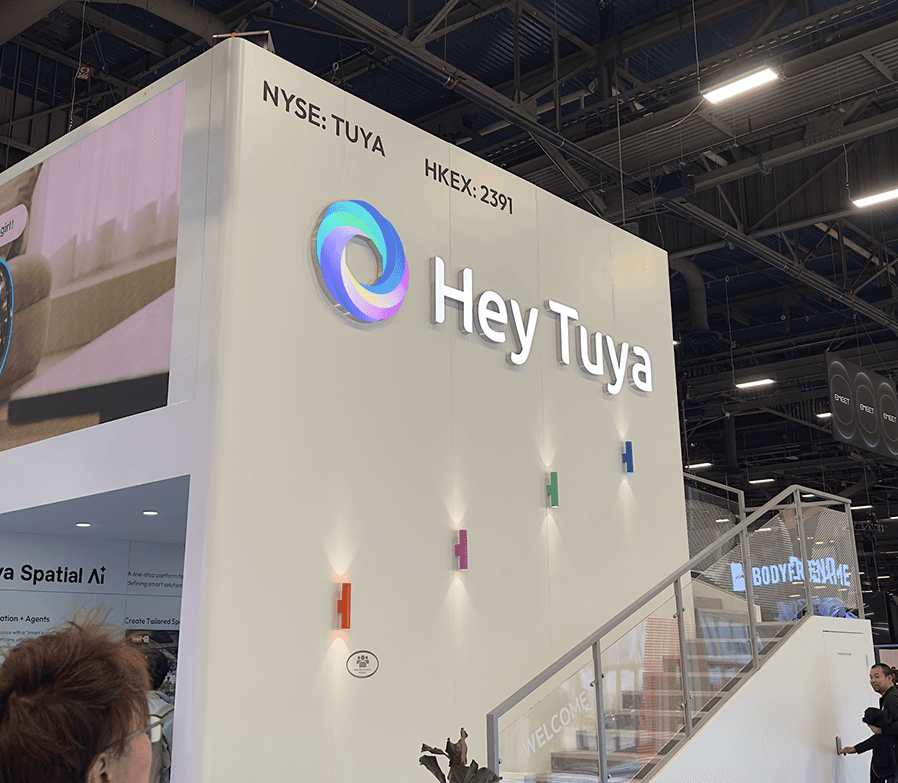
How a “Hidden Platform” Is Shaping the Smart Home
Tuya’s booth at CES was difficult to summarize in a single word. Not because it showcased too many products, but because what Tuya presented wasn’t really about products at all. From lighting and home appliances to energy management, mobility, healthcare, and security cameras, the unifying theme was not hardware—it was the system that connects everything.
Under the slogan “All Together, All On Smart,” Tuya reframed the smart home not as a collection of devices, but as an integrated operating model for everyday life.
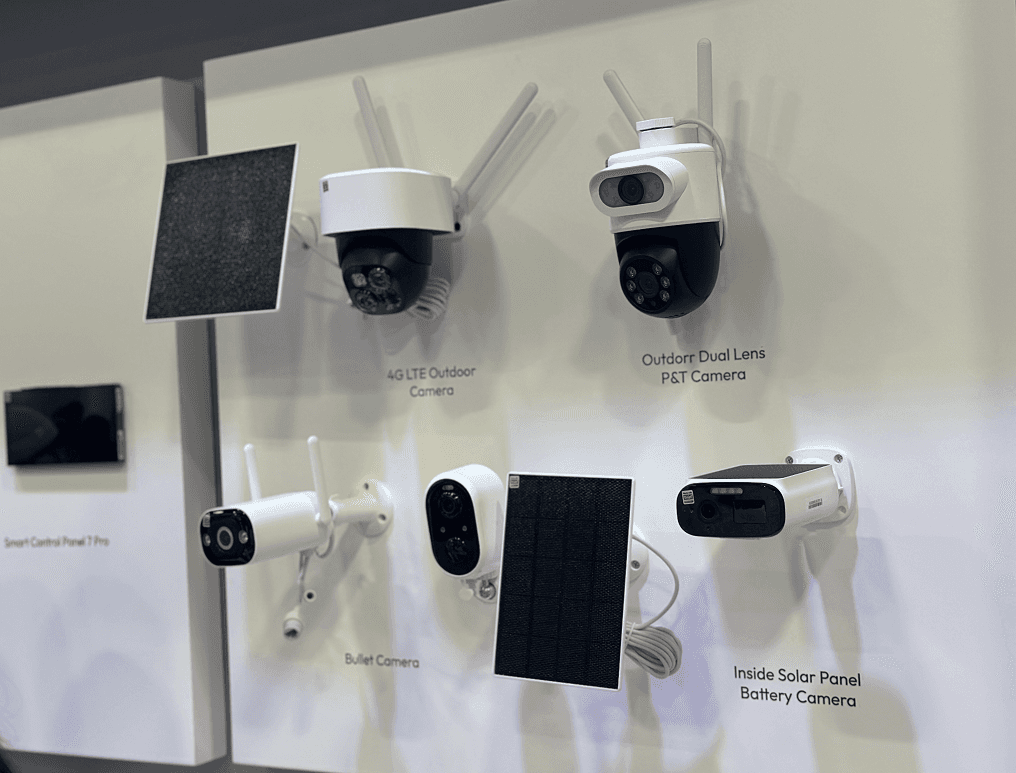
Everyday Products, Designed Around Low Friction
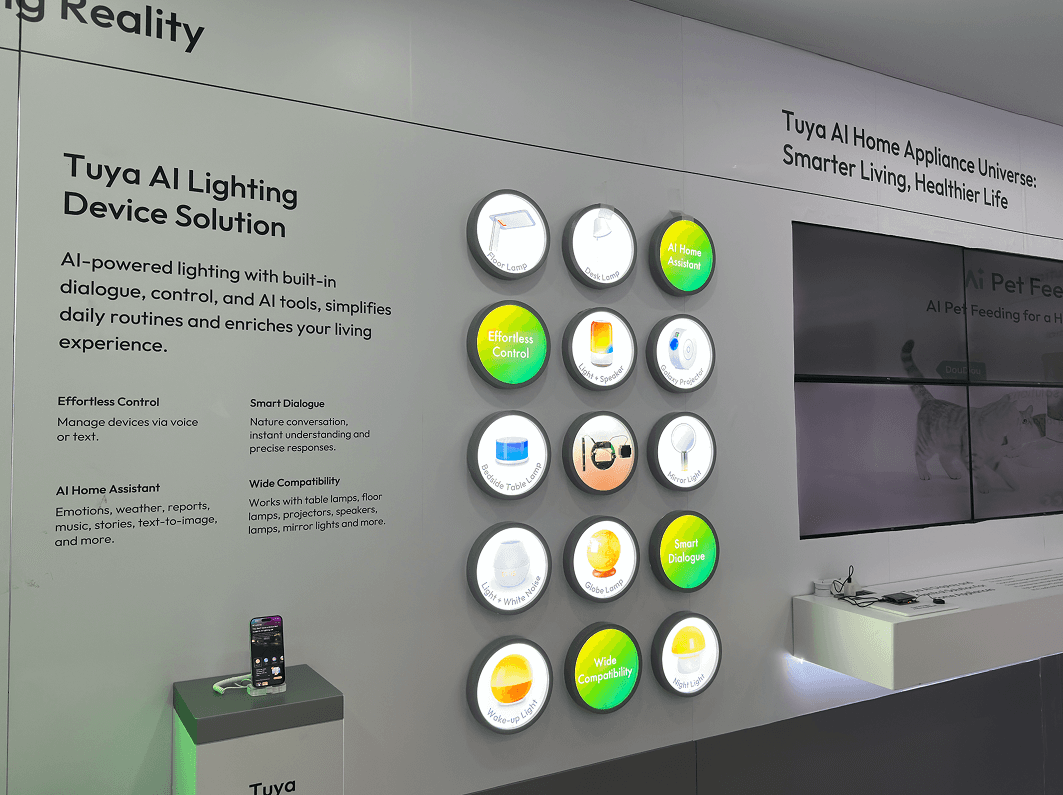
What captured visitors’ attention were not futuristic concepts, but highly practical, lifestyle-oriented devices. An AI-powered smart bird feeder used a low-power camera to monitor bird visits in real time, identify over 10,000 species via AI, and operate on solar energy for continuous observation. A galaxy-inspired laser sleep light was positioned not as lighting, but as a tool for building better sleep routines.
Tuya’s smart home control panel (wall-mounted hub) supported voice, touch, and gesture-based interaction, allowing one-tap control of connected devices. More importantly, it was designed to operate locally when network connectivity became unstable—highlighting Tuya’s emphasis on reliability over novelty.
This is where Tuya stands out. Rather than asking how to make devices smarter, it first defines the conditions under which users can interact with technology comfortably—control, stability, and repeatable routines.
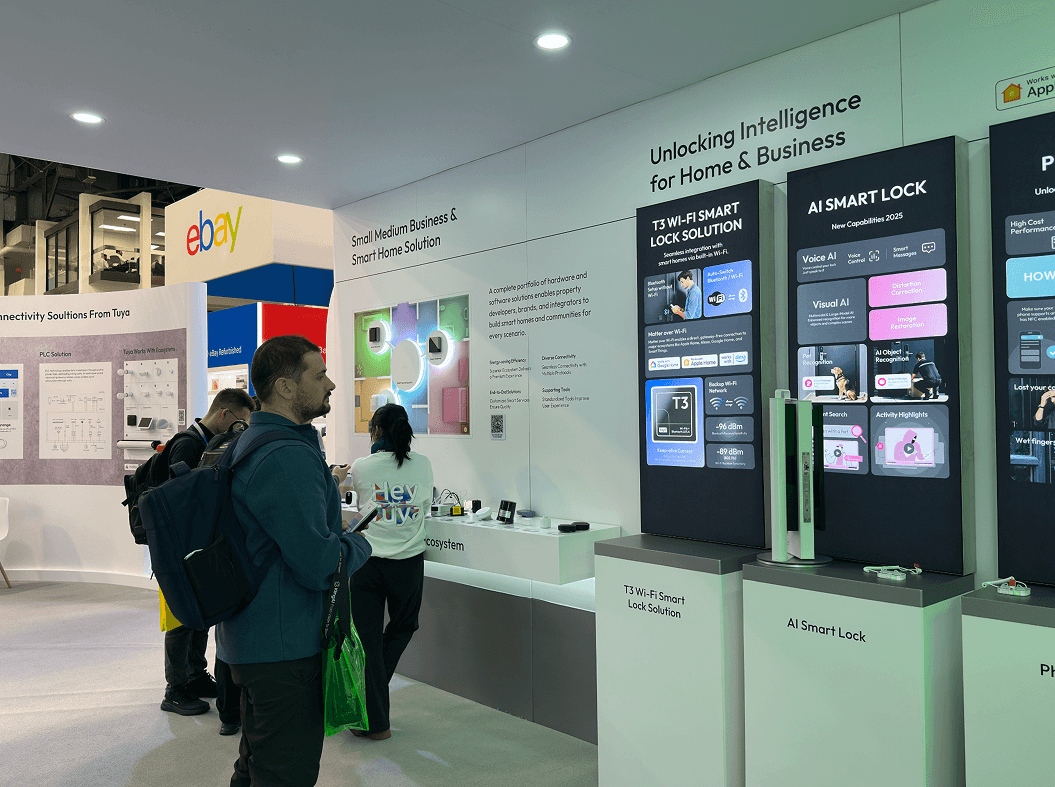
Expanding the Definition of “Smart Living”
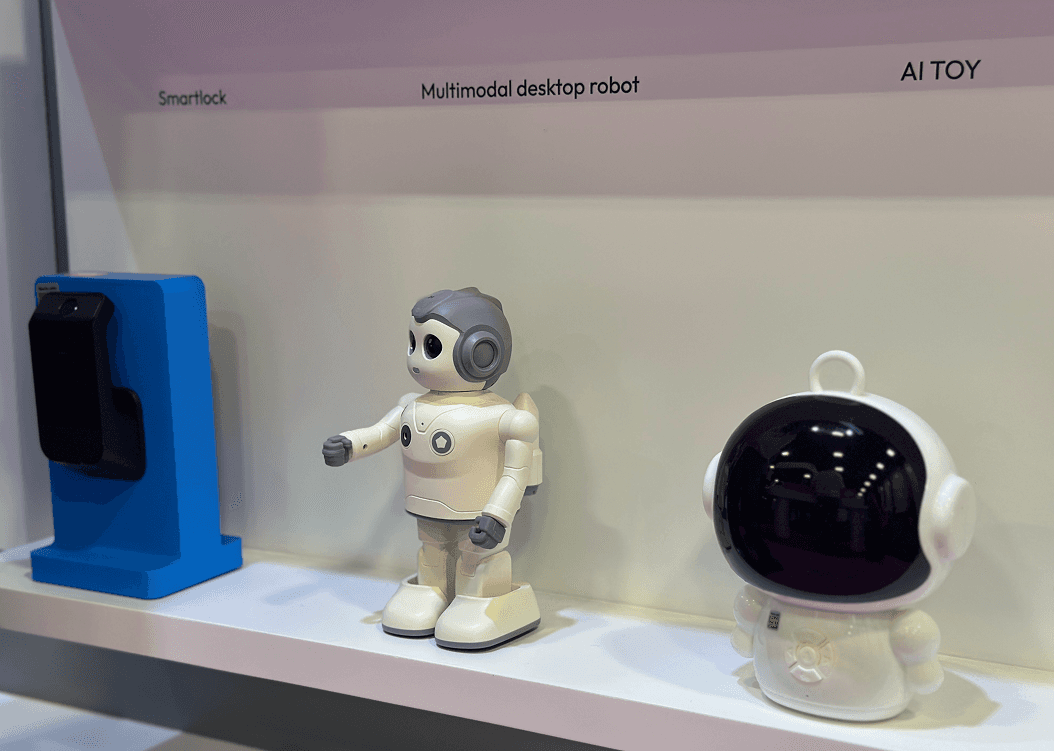
In the “Beyond Your Imagination” section, Tuya extended the boundaries of what smart home technology can encompass. A robotic lawn mower autonomously navigated designated areas using precise positioning, returned to its dock when it rained, and required minimal user intervention. A smart digital photo frame focused on helping families share everyday moments across distances. A smart food thermometer monitored internal cooking temperatures in real time—addressing small but frequent pain points.
These were joined by an AI-powered story box capable of translating over 10,000 languages through computer vision and voice interaction, and an AI-enabled baby monitor integrated with a voice assistant. Collectively, these products illustrated how Tuya defines smart living: not as a single category, but as a spectrum of daily experiences made easier through infrastructure.
The Platform Behind the Products
Despite the breadth of devices on display, the true centerpiece was Tuya’s platform strategy. Founded in 2014, Tuya has built a cloud-based PaaS platform that enables manufacturers, startups, and developers to design, deploy, and operate smart devices at scale. From hardware reference designs and firmware to cloud connectivity and mobile app development, Tuya offers an end-to-end ecosystem.
Today, hundreds of thousands of device types are connected to the Tuya platform. Partnerships with companies such as Schneider Electric, Philips, and Midea support a wide range of protocols including Wi-Fi, Bluetooth, Zigbee, and Matter—addressing one of the smart home industry’s most persistent challenges: interoperability.
On the consumer side, Tuya’s Smart Life app (and its OEM variants) connects hundreds of millions of users across more than 100 countries. Its 2021 IPO on the NYSE (NYSE: TUYA) and dual listing in Hong Kong (HKEX: 2391) reflect how Tuya has evolved into something close to an invisible industry standard.
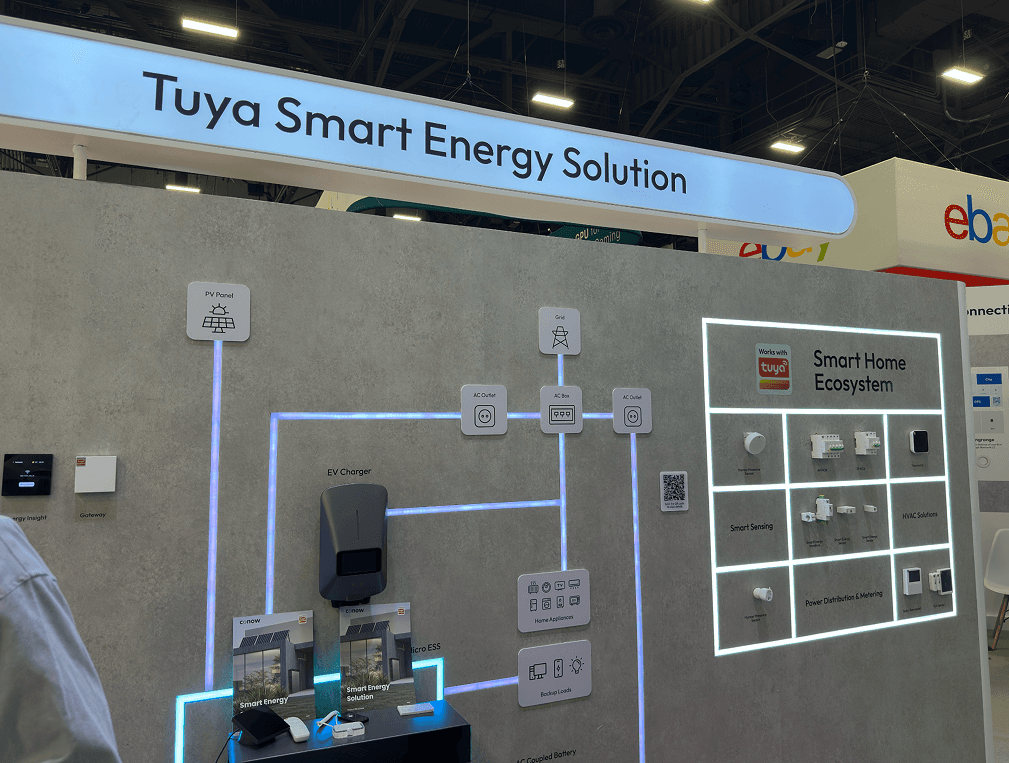
Energy Management as the Next Strategic Focus
Energy has become a central theme in Tuya’s roadmap. As global energy costs rise and grid stability becomes a concern, Tuya showcased a Home Energy Management System (HEMS) that goes beyond device-level control. The system integrates solar generation, storage, and consumption into a single management layer.
Demonstrations included automated EV charging and HVAC operation during off-peak pricing windows, intelligent distribution of solar-generated power between household devices and the grid, and real-time energy monitoring designed to influence user behavior through data. Tuya positioned smart thermostats and energy-saving kits as AI-driven systems that learn user habits, reduce waste, and reportedly cut heating and cooling energy consumption by 10–20%, and in some cases up to 54% monthly.
This shift reflects a broader transition in smart homes, from convenience to active management.
Industry Perception and Trust as a Design Challenge
As a B2B2C platform, Tuya may not be as visible as consumer-facing brands, but within the IoT industry it is widely regarded as a critical backbone. Tech outlets such as GearBrain have described Tuya as a comprehensive IoT cloud platform offering one-stop support from hardware modules to applications, while also highlighting its role in addressing fragmentation through standards like Matter.
At the same time, the scale of Tuya’s ecosystem raises valid concerns around security and data privacy, particularly given its origins in China. Tuya has responded by emphasizing compliance with global standards such as GDPR and offering localized server options. As the platform expands, the question is no longer just about connecting more devices—but about how trust is engineered, communicated, and maintained.
Why We’re Sharing This with Our Clients
Tuya’s CES presence was compelling not because it showcased impressive gadgets, but because it consistently reinforced a single idea: the smart home is not about buying more devices, but about operating everyday life more smoothly.
Despite the diversity of products on display, Tuya’s message remained coherent because it is fundamentally selling infrastructure—connection, control, stability, and interoperability. This mirrors a decision point we often encounter when working with clients: is success defined by adding better features, or by designing systems users can rely on over time?
At CES, Tuya offered a clear perspective. Smart living does not emerge from more devices. It starts with systems that are easier to manage, more reliable to operate, and quietly capable of supporting everyday life without adding complexity.
Sphere D.
Contact.
contact@sphered.kr
+82 70-8098-0775
Location.
Seoul, Korea
Toronto, Canada
Services.
Works.
Copyright © 2025 Sphere D. All rights reserved.
Sphere D | CEO: Hyunyoung Kim | Business Registration No.: 330-33-01418
E-commerce Registration No.: 2025-Seoul Seocho-0075
Address: 11F, 17, Seocho-daero 77-gil, Seocho-gu, Seoul, Republic of Korea