[CES 2026] Luka - An AI Companion Designed for Generation Alpha
2026. 1. 13.
CES 2026

Hyunyoung Kim
Founder of Sphere D, a design and strategy studio analyzing global tech trends and product positioning.
This article is part of Sphere D’s CES 2026 Insight Series, where we analyze what is often overlooked: structure, positioning, and why products succeed or fail in the real market.
When AI Stops Teaching and Starts Seeing the World Together
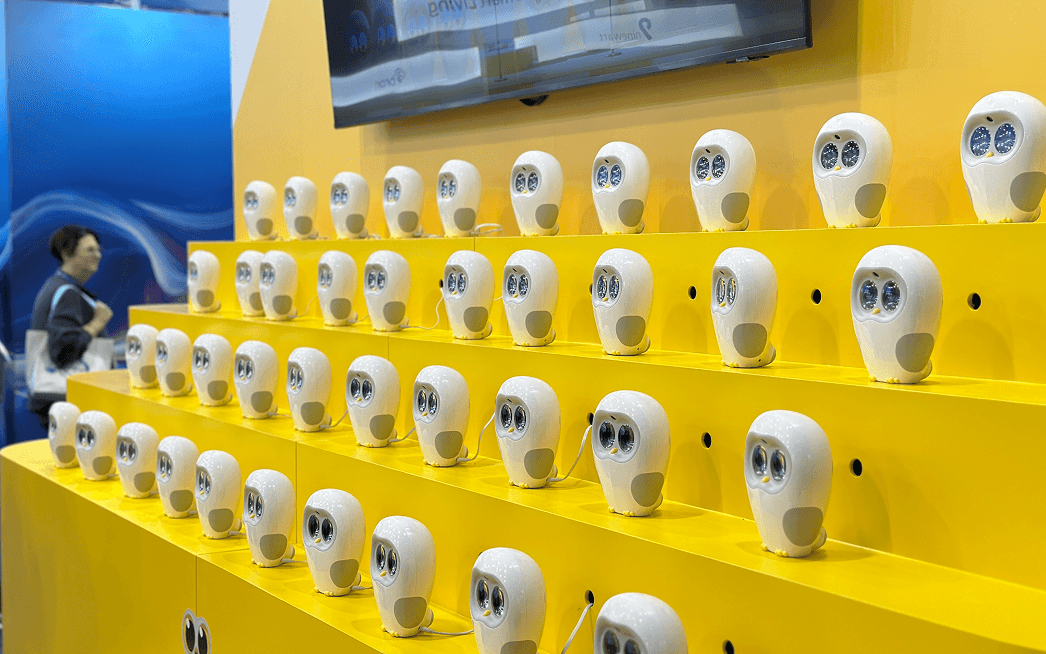
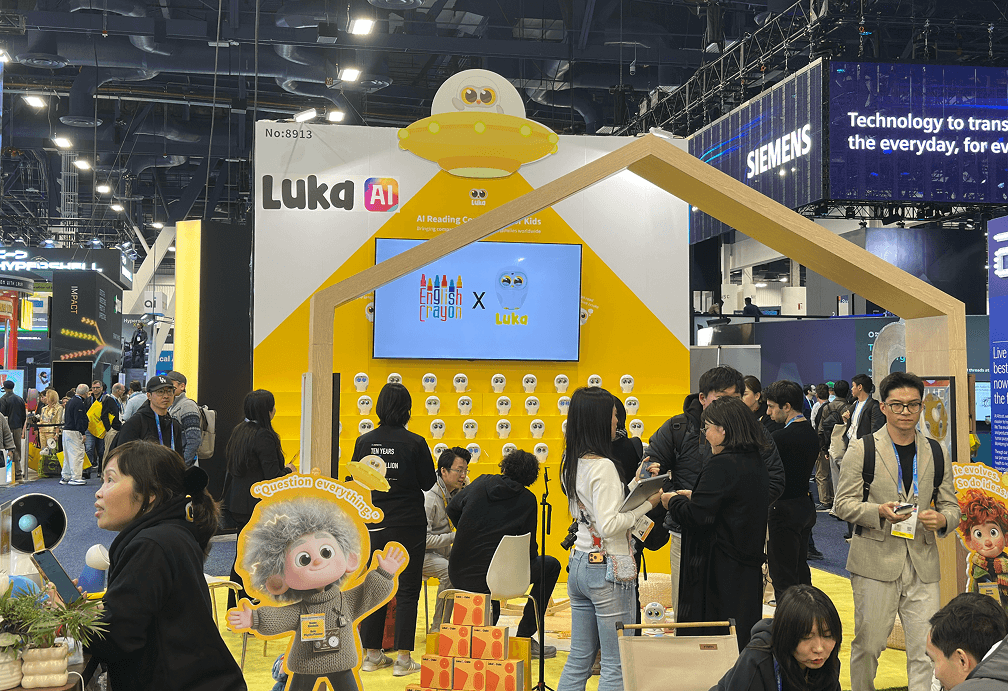
The Luka booth at CES 2026 was unexpectedly quiet. There were no massive screens or theatrical demos, yet children lingered, holding a small device and staying engaged far longer than expected. What Luka presented was not a breakthrough technology moment, but a reframing of the relationship between children and AI.
Luka is a family focused AI companion robot brand created by a Chinese startup, already used by nearly ten million households worldwide. At CES 2026, Luka introduced two new products, the Luka AI Cube and an updated Luka Robot. Different in form and use, both products revolve around the same core question, what role should AI play beside a child.
A World in the Palm of the Hand, Luka AI Cube
Luka AI Cube is designed as a pocket sized AI companion. This wearable device allows children to explore the world around them, wherever they go. Using its built in camera and sensors, the Cube recognizes objects in a child’s environment and explains concepts related to science, history, and nature through voice based conversation. When a child points the Cube at an animal or a plant, the AI identifies it and adds contextual stories.
One of the most distinctive aspects is the character design. Luka AI Cube offers multiple virtual avatar options, allowing children to choose a character they like and interact with that persona. According to published reports, default avatars include stylized versions of Elon Musk, Hayao Miyazaki, Steve from Minecraft, and Harry Potter. The experience is not framed as listening to an abstract AI, but as hearing the world explained by a familiar voice.
The Cube also listens to a child’s daily stories and concerns, actively engaging with the physical environment by asking questions like where are you right now. It is intentionally designed to spark curiosity and learning without feeling like a study tool, positioning itself as a friend rather than an instructor. Luka AI Cube made its North American debut at CES 2026 and opened free preregistration on site ahead of its launch.
From Reading Books to Having Conversations, Luka Robot
Luka Robot takes a very different physical approach. With a soft, rubber duck inspired appearance, the robot has been on the market since 2017 and is known for shaping children’s reading habits in China and beyond. Originally introduced as an audiobook companion that reads hundreds of children’s books in multiple languages, the latest version demonstrated at CES evolves into a conversational storytelling AI.
Luka Robot no longer simply reads aloud. It responds to questions mid story, continues conversations using the voices of story characters, and expresses emotions through animated eyes and gestures. It prompts children with questions such as was that part fun, or would you like to hear the next story, adjusting its responses based on the child’s reactions.
What stands out is that all of this happens without pulling children toward a screen. Luka Robot continues to center books and voice interaction, supported by a broad multilingual story library and character based engagement that sustains attention without visual overstimulation.
Safety, Control, and the Uncomfortable Questions
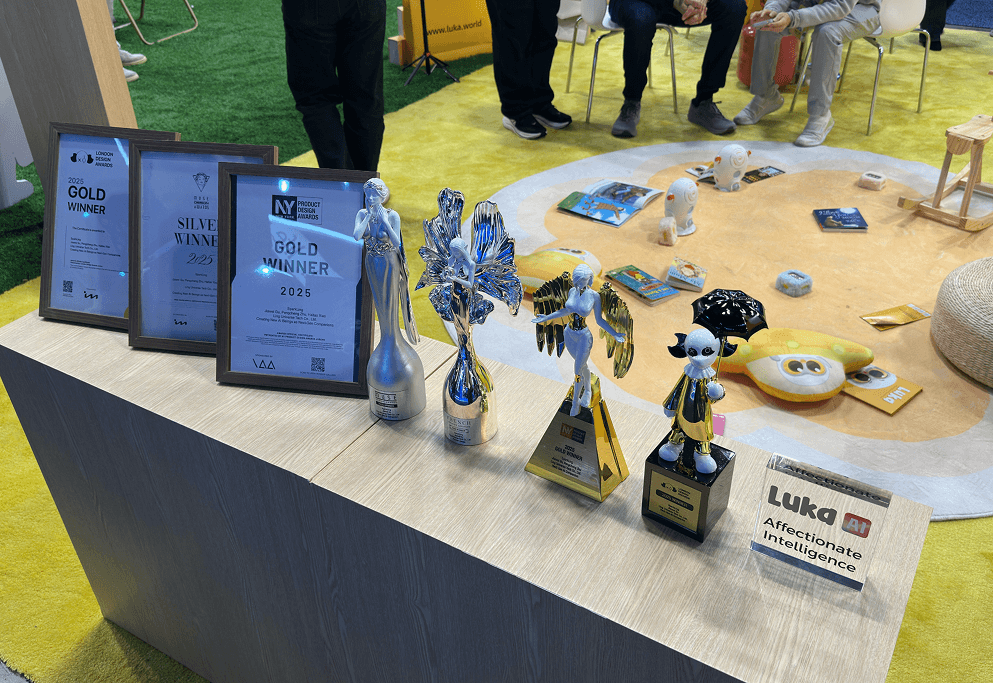
As an AI product designed for children, Luka places safety and privacy at the forefront. The company states that all content is age curated, filtered under COPPA standards, and compliant with global privacy regulations including GDPR. A parent app allows guardians to review activity reports, manage conversation logs, set usage limits, and apply restrictions as needed.
Still, debate remains. The Verge described Luka AI Cube as one of the strangest AI devices at CES, questioning whether it is appropriate to place a large language model based AI companion in the hands of young children. Concerns were raised around character choices and broader trust issues surrounding AI personalities.
At the same time, feedback from educators and parents has been largely positive. Many report that children who previously struggled with reading became more engaged when using Luka, and that exposure to foreign languages felt natural rather than forced. A recurring recommendation emerges across reviews, do not hand children over to AI, but use AI as a bridge for deeper conversations with them.
What makes Luka compelling is its refusal to position AI as a knowledge delivery system. Instead, it is designed to follow a child’s gaze, respond to the same environment, and build interaction around shared attention. It directs children toward the real world rather than a screen, asks questions instead of simply providing answers, and frames AI not as a solitary device but as a relationship building medium.
In a landscape where AI for children often focuses on instruction and control, Luka offers a quieter alternative, one that prioritizes presence, curiosity, and companionship over performance.


Sphere D.
Contact.
contact@sphered.kr
+82 70-8098-0775
Location.
Seoul, Korea
Toronto, Canada
Services.
Works.
Copyright © 2025 Sphere D. All rights reserved.
Sphere D | CEO: Hyunyoung Kim | Business Registration No.: 330-33-01418
E-commerce Registration No.: 2025-Seoul Seocho-0075
Address: 11F, 17, Seocho-daero 77-gil, Seocho-gu, Seoul, Republic of Korea