Can You Trust This Realtor? Standards for Building Trust on Real Estate Websites
2025. 2. 8.
Homepage

Hyunyoung Kim
Founder of Sphere D, a design and strategy studio analyzing global tech trends and product positioning.
In real estate transactions, trust operates before price. Today, that trust is formed not on-site, but through the realtor’s website. When attitude, information management, and operational traces are reflected in the site’s structure, the website communicates credibility. This article explores how real estate websites build and convey trust.
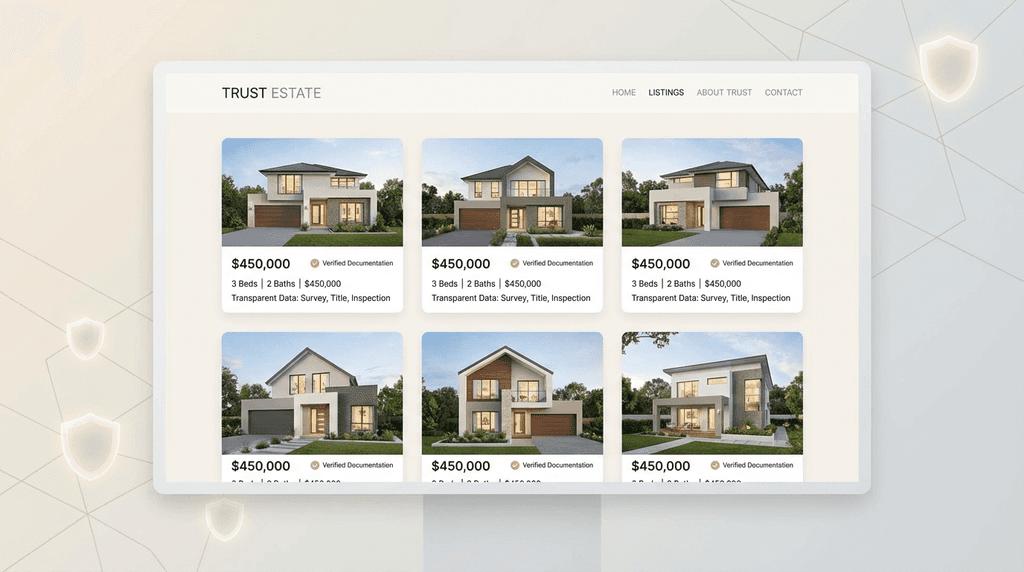
In real estate, trust comes before the transaction amount. And today, that trust begins not on-site, but on the realtor’s website.
Visitors make judgments instantly:
“Can I trust this agent?”
“Is it safe to proceed with a deal here?”
A website that fails to answer these questions will struggle to be chosen, no matter how many listings it has. That’s why modern real estate website design must start with the question: “How do we design for trust?”—before focusing on aesthetics or functionality.
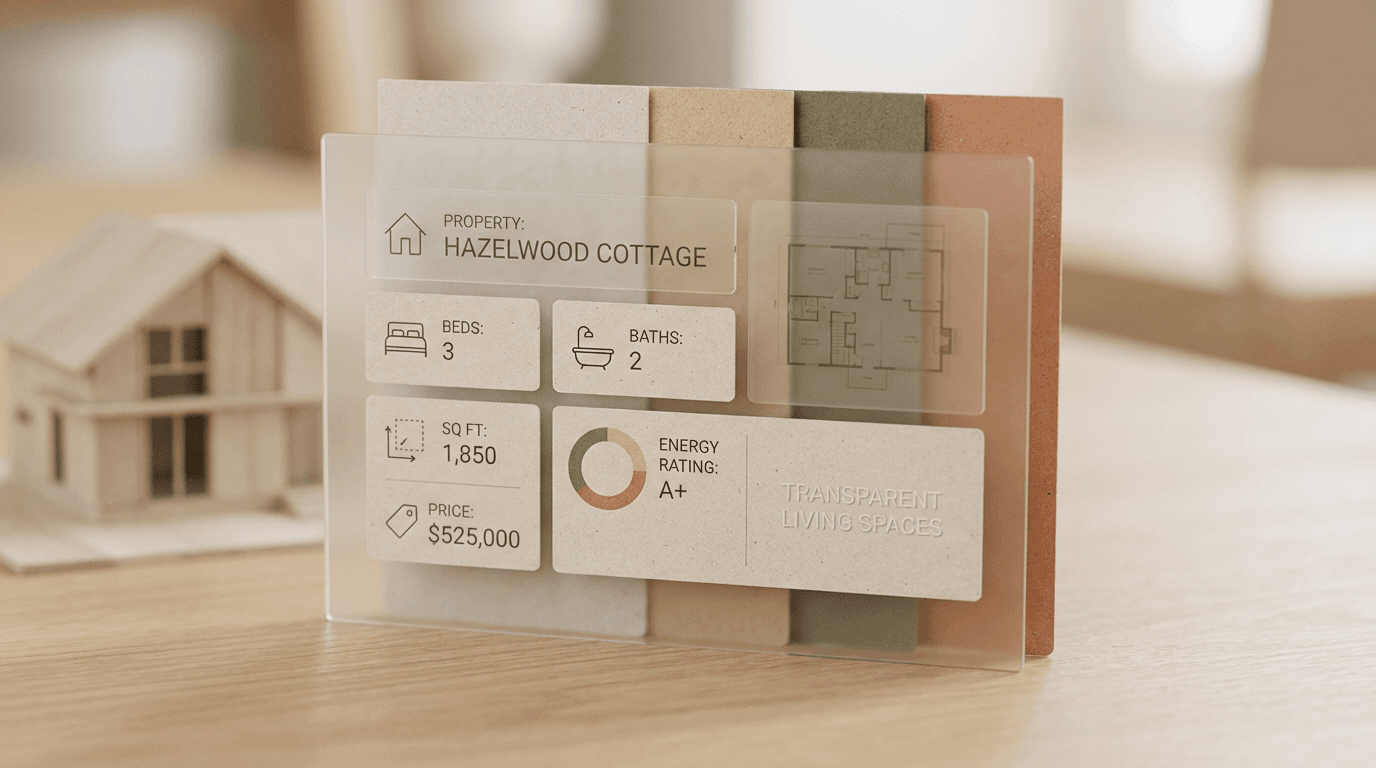
What Builds Trust on a Real Estate Website: What Customers Look For
The agent’s attitude comes before the company introduction
Trust isn’t built with flashy slogans. Customers care less about the company’s size and more about who is handling the transaction and how.
Key trust signals on a realtor website:
Real name, experience, and qualifications of the lead agent
Clear statements of the agent’s approach and values
Consistent messaging and organized information matter far more than lengthy introductions.
Listings are judged by ‘management quality,’ not quantity
In real estate marketing, listings serve as both content and a trust indicator.
Outdated or unclear listings lead directly to customer drop-off.
A trustworthy real estate website ensures:
Listings are regularly updated
Prices, locations, and conditions are clearly presented
Explanatory content anticipates common questions
This is what separates a “marketing-only site” from a “site that drives sales.”
Design visualizes the brand’s reliability
Website design isn’t just about aesthetics. A clean layout, consistent colors, and mobile-friendly structure reflect how the agent works.
Rather than flashy effects, design should focus on:
Readable information
Clear paths for the customer’s next action
These create a visual sense of trust.
Content accumulation builds credibility over time
Regularly updated blogs, market insights, and announcements signal to customers:
“This office is actively operating.”
“They understand market trends.”
Content isn’t just a tool for attracting visitors—it’s a record that demonstrates expertise.
Clear inquiry processes lower the barrier to first contact
Trust isn’t complete until the customer reaches out. Complicated or opaque contact processes discourage engagement.
A reliable realtor website ensures:
Inquiry methods are obvious
Response flow is predictable
Data privacy practices are clear
When these are in place, customers feel confident initiating contact.

Standards for Real Estate Websites by Sphere D.
Sphere D. approaches real estate website design not as a “showcase site,” but as a brand asset where trust accumulates.
Through a structure that naturally reflects the agent’s expertise, attitude, and operational approach,
and a content strategy optimized for real estate marketing,
we create an environment where customers can reach out without hesitation.
More important than a well-made website is a trustworthy website.
And that difference is determined at the design stage.
Sphere D.
Contact.
contact@sphered.kr
+82 70-8098-0775
Location.
Seoul, Korea
Toronto, Canada
Services.
Works.
Copyright © 2025 Sphere D. All rights reserved.
Sphere D | CEO: Hyunyoung Kim | Business Registration No.: 330-33-01418
E-commerce Registration No.: 2025-Seoul Seocho-0075
Address: 11F, 17, Seocho-daero 77-gil, Seocho-gu, Seoul, Republic of Korea