A 10-Section Guide for Structuring Service Introductions on Your Website
2024. 12. 5.
Homepage

Hyunyoung Kim
Founder of Sphere D, a design and strategy studio analyzing global tech trends and product positioning.
When structuring a service introduction across 10 sections on a website, information should be arranged in a deliberate sequence—from brand context to customer validation—so visitors can fully understand the service and build trust step by step.
This guide walks you through a clear, section-by-section strategy to help you design a service page that informs, persuades, and converts with confidence.
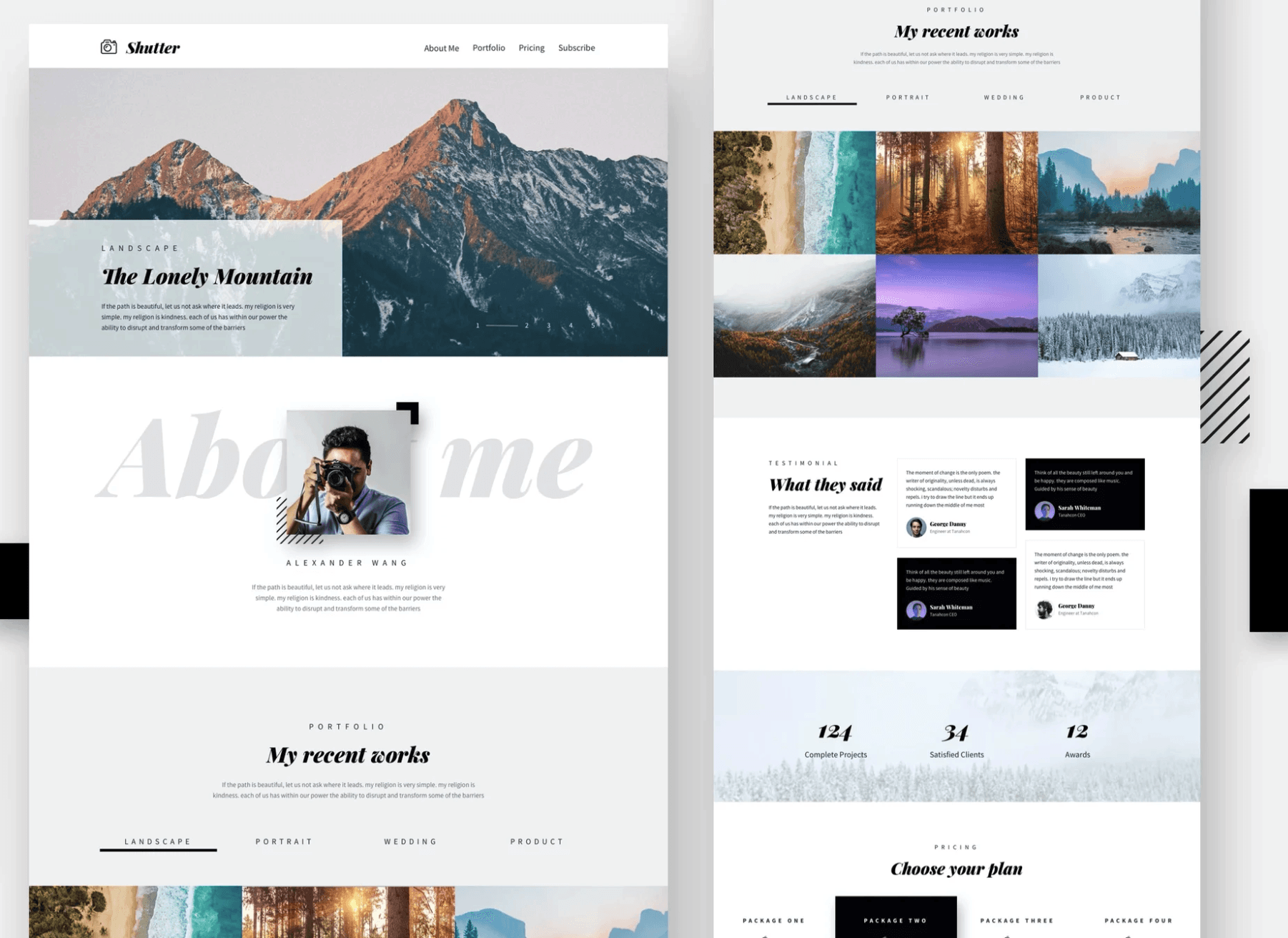
Service Introduction on Your Website: A Strategic 10-Section Structure
A service page isn’t just a list of features—it’s a journey that helps visitors understand your offering, build trust, and move toward action.
Below is a proven 10-section framework, with key points to include in each section for a high-performing service page.
1. A Strong First Impression: The Hero Section
This is the first space visitors encounter.
Use a short, powerful headline to summarize your service and visually express your brand identity.
Include a clear Call to Action (CTA) button to encourage exploration.
2. Service Overview at a Glance
Briefly explain what your service does and the value it delivers.
Messages like “We solve this problem” or “We deliver this result” work well.
Icons or simple graphics can help make the information instantly understandable.
3. The Problem and Your Solution
Show that you understand your customer’s pain points.
Open with a question such as “Struggling with this?” and clearly explain how your service addresses the issue.
This section builds empathy and relevance.
4. Detailed Service Explanation
Describe the core features and benefits of your service in more depth.
Rather than long paragraphs, use visual elements—images, icons, or diagrams—to keep information clear and digestible.
5. Success Stories / Portfolio
Highlight past projects or successful outcomes.
Before-and-after visuals, measurable results, and short case summaries help reinforce credibility.
Adding brief client feedback makes this section even stronger.
6. Customer Testimonials
Share authentic reviews from real customers.
Including names, photos, or job titles adds credibility and makes testimonials feel more genuine and trustworthy.
7. Certifications, Awards, and Recognition
Strengthen trust with proof points such as certifications, awards, or media coverage.
This section reassures visitors that your service meets a high standard of quality.
8. Frequently Asked Questions (FAQ)
Anticipate and answer common concerns in advance.
Questions like “How long does it take?” or “How does pricing work?” help reduce hesitation and friction.
9. Pricing and Plans
Clearly present your pricing structure.
Comparison tables work well for showing differences between plans.
If available, highlight free trials, demos, or promotional offers.
10. Final Prompt: Consultation & Contact
End the page by guiding visitors toward action.
Use clear messaging like “Get a free consultation” or “Contact us now”, and make it easy to reach you—via a form, email, or KakaoTalk.
A well-structured service page doesn’t just inform—it guides visitors through a thoughtful experience that builds understanding and trust.
By applying this strategic 10-section framework, you can create a service introduction that connects naturally with users and supports meaningful conversion.
Sphere D.
Contact.
contact@sphered.kr
+82 70-8098-0775
Location.
Seoul, Korea
Toronto, Canada
Services.
Works.
Copyright © 2025 Sphere D. All rights reserved.
Sphere D | CEO: Hyunyoung Kim | Business Registration No.: 330-33-01418
E-commerce Registration No.: 2025-Seoul Seocho-0075
Address: 11F, 17, Seocho-daero 77-gil, Seocho-gu, Seoul, Republic of Korea